


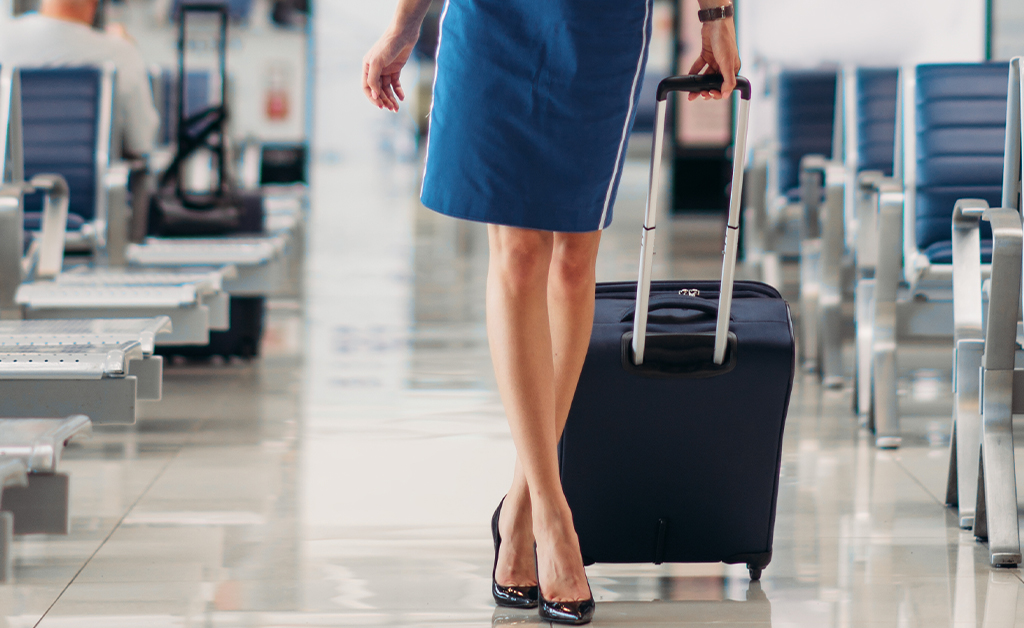
It’s common to experience swollen legs and feet after a long flight, and they can be really uncomfortable. Long flights can be tough on your body, with hours spent sitting in cramped airplane seats and limited movement can take a toll on your circulation, making your legs feel fatigued and swollen. But there is one smart, simple gear that is often overlooked: compression socks. These are specifically designed to improve circulation and can make a huge difference for anyone who travels frequently, especially on long flights. In this blog, we will discuss how compression socks work and why they are a must-have for your next long flight journey.
How Compression Socks Work On Long Flights
During a flight, prolonged sitting can slow blood circulation in your legs. When blood pools in your lower extremities, it can cause swelling, discomfort, and fatigue. And even worse, it can increase the risk of blood clots, such as deep vein thrombosis (DVT).
Compression socks improve blood circulation by applying gentle and graduated pressure to your legs. They are tighter at the ankle and gradually loosen as they move up towards the calf. This design helps improve the efficient flow of blood back towards your heart.
Here is how compression socks help during long flights:
- Improve Circulation: By gently squeezing the legs, compression socks keep blood moving even when you’re seated for hours. This helps prevent blood from pooling and supports overall leg health.
- Prevent Swelling: Swollen ankles and feet are common after long flights. Compression socks reduce fluid buildup, keeping your legs feeling lighter and less puffy.
- Reduce the Risk of DVT: Research shows that proper compression can reduce the chances of blood clots forming during extended periods of immobility. This is especially important for travelers with certain medical conditions.
- Alleviate Fatigue: Leg discomfort and tiredness often come from stagnant blood flow. By improving circulation, compression socks help you feel less fatigued.
Do You Really Need Compression Socks on a Long Flight?
People often ask whether I really need compression socks for a long flight. The American Heart Association has some clear guidance on this. For most healthy adults, compression socks aren’t strictly necessary. However, they can be incredibly helpful if you are prone to swelling, leg fatigue, or have risk factors for DVT.
Additionally, if you are pregnant or have medical conditions like obesity, a history of blood clots, or varicose veins, compression socks can provide extra protection. Even for healthy travelers, long flights (over 4 hours) can cause leg discomfort, and wearing compression socks may help with that.
Possible Side Effects of Wearing Compression Socks during Long Flights
While compression socks are generally safe to use, they may cause side effects if used incorrectly. Possible side effects include:
- Itching: This can happen if your socks are too tight or made from materials that irritate your skin.
- Loss of Circulation: If the socks are the wrong size or compression level, they can constrict blood flow rather than improving it.
- Burning or Chafing: Prolonged use or tight socks can irritate your skin.
- Bruises or Broken Skin: If you have sensitive skin, you may experience bruising, especially if you wear it for long hours.
Who Should and Shouldn’t Wear Compression Socks
Your health condition and personal needs play a big role in deciding whether they’re right for you. That is why it is always recommended to ask your doctor before using them. You should consider compression socks if you:
- Travel frequently on long flights and experience swelling and heaviness, or fatigue in your legs
- Have chronic venous insufficiency or poor circulation in your legs.
- Have a history of blood clots or are at higher risk of DVT.
- Recently had surgery for varicose veins or similar procedures.
- Have medical conditions such as cancer that make you more prone to blood clots.
Who shouldn’t wear compression socks:
- People with easily bruised or sensitive skin. Compression socks can irritate or damage fragile skin.
- Those with skin infections or sores. Tight socks may worsen the problem or increase the risk of infection.
- If you’re uncertain, it’s always wise to check with your doctor before using compression socks on a long trip.
Tips for Using Compression Socks During Travel
Here are some simple tips for using compression socks during travel to make your long flights more comfortable.
- Make sure the socks are the right size, too tight can be uncomfortable and may restrict blood flow, and too loose may be ineffective. Measure your legs properly and follow sizing guides
- Practice putting on the compression socks a few times before boarding.
- Keep moving, even with compression socks, try to stretch your legs or walk around the cabin when possible.
- Dehydration worsens swelling, so drink plenty of water during your flight.
ITA-MED: Quality Compression Sock Manufacturers
A simple pair of compression socks can make a big difference for leg health, especially for frequent travelers who often take long flights. They help boost circulation, reduce swelling, and fight fatigue during long flights. These everyday benefits make compression socks a product customers actively seek out and keep coming back to.
At ITA-MED, we manufacture premium graduated compression socks trusted for their comfort, durability, and medical-grade support. Whether you are a retailer or a healthcare market professional, expand your product line with a leading compression socks manufacturer.
Our products are made with high-quality materials and designed to offer a comfortable, effective fit without compromising style. Partner with us and offer your customers a smarter, healthier travel experience. Explore our supportive medical gear online and contact us to grow your product range or become our authorized distributor.

