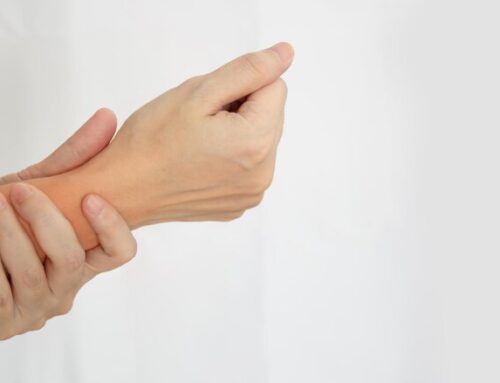



Joint pain is one of the main concerns affecting millions of people in the United States. People experience discomfort, stiffness, or joint instability due to injuries, arthritis, repetitive strain, or age-related wear and tear. Joint pain can make everyday activities such as walking, lifting, or exercising difficult, and sometimes even impossible. While physical therapy and surgery can help relieve the pain symptoms, orthopedic braces provide a good alternative for many people who want to avoid surgery and require additional help in managing the pain.
These support braces offer a safe, effective, and non-invasive way to manage joint pain, protect injured areas, and improve mobility. They are often used alone or in combination with other treatments to support healing and prevent further damage. Orthopedic braces are external medical devices designed to support, stabilize, protect, and align joints, muscles, ligaments, and bones. Depending on your condition and support needs, you can choose from soft to firm and more structured orthopedic brace support. In this blog, we will explore how different types of orthopedic braces help support weak or injured joints.
How Orthopedic Braces Work
Braces can be used for short-term recovery after an injury or surgery or long-term management of chronic conditions such as arthritis. They work in several important ways to support weak or injured joints:
- It helps stabilize the joints to prevent excessive or unsafe movements that could worsen an injury.
- The gentle compression helps reduce swelling and inflammation and improves blood flow.
- These braces help align the joints in their proper positions, reducing the risk of strain on damaged tissues.
- It protects your weak joints during daily activity by acting as a shield.
- These braces help align the joints in their proper positions, reducing the risk of strain on damaged tissues.
Types of Orthopedic Braces and How They Support Injured Joints:
Here are different types of orthopedic braces and how they help support your joints:
1. Ankle Braces and Supports
The ankle is one of the most commonly injured joints, especially during sports, walking on uneven surfaces, or sudden twisting movements. Ankle braces are designed to stabilize the joint, limit harmful motion, and provide compression to reduce swelling and pain. Ankle supports range from light compression sleeves for mild discomfort to rigid or semi-rigid braces that are used for moderate to severe sprains, ligament damage, or chronic instability. The different types of ankle support include post-op fracture walker brace, ankle guard, plastic ankle stirrup, and elastic ankle brace.
How Ankle Braces Help:
- Ankle braces are generally used for recovery, physical activity, and by those who require prolonged standing.
- These braces provide compression to the inflamed, swollen ankle area and help minimize fluid buildup while promoting healthy circulation.
- By providing external support, these braces support weakened ligaments and injured tissues.
- They prevent any unsafe movement that could lead to reinjury or worsen the injury.
- Proper support helps distribute weight, reducing strain on your ankle when standing or walking.
- The support offers an external cue that helps improve the awareness of foot and ankle position.
2. Knee Braces and Support
A knee brace is an orthopedic device that helps stabilize your knee joint and keep it in place. The knee joint carries much of the body’s weight and is especially vulnerable to injury and wear. Knee braces are widely used for arthritis, ligament injuries, meniscus tears, post-surgical recovery, and overuse conditions. People experiencing knee pain also use these supports to manage pain symptoms. Knee supports range from simple elastic sleeves to hinged or rigid braces that provide advanced stability and motion control.
How Knee Braces Help:
- Hinges and straps help keep the knee aligned and prevent excessive movement, further providing joint stability.
- The compression improves blood flow and helps control inflammation, reducing swelling and pain.
- Specialized braces unload the damaged area by shifting the pressure away from injured cartilage or ligaments.
- Controlled movement protects the joint during recovery and supports the healing.
- Limiting motion helps protect weak or unstable knees during activity and prevents reinjury.
- Many braces come with elastic or Velcro straps to fit securely without being too tight.
3. Shoulder Braces and Supports
The shoulder is one of the most flexible joints in the body, which also makes it prone to injury. Shoulder braces are commonly used for rotator cuff injuries, dislocations, strains, post-surgical recovery, and chronic instability. Shoulder support is an orthopedic brace worn like a sling or wrap to limit excessive movement, improve alignment, and reduce muscle strain while allowing functional use of the arm without the risk of reinjury.
How Shoulder Braces Help:
- These braces are designed to control harmful motion that could worsen the injury.
- Proper positioning reduces stress on the shoulder joint, further reducing pain.
- These supports provide mild compression, improving circulation and supporting healing.
- Add stability to let you perform daily tasks much more safely.
4. Elbow Braces and Supports
Elbow braces are often used for tennis elbow, golfer’s elbow, tendonitis, arthritis, and repetitive strain injuries. These conditions are common in people who perform repeated arm or wrist motions at work or during sports. Elbow supports provide targeted compression and stabilization to relieve stress on irritated tendons.
How Elbow Braces Help:
- Pressure helps absorb shock during movement, reducing strain on the tendon.
- Supports your elbow during lifting or gripping.
- The brace is designed to offer sturdy support that allows the user to stay without worsening the injury.
- Ideal for repetitive tasks such as typing, manual labor, and playing instruments and sports, such as racquet sports, bowling, weightlifting, etc.
5. Wrist Braces and Supports
The wrist is a complex joint that plays a key role in daily activities. Wrist braces are commonly used for carpal tunnel syndrome, sprains, arthritis, repetitive strain injuries, and post-surgical recovery. It helps stabilize and immobilize your wrist, reducing pain and inflammation by keeping it in a neutral position. It helps stabilize the joint while allowing safe hand movement.
How Wrist Braces Help:
- Prevents bending or twisting in the weak or injured joint area to reduce the risk of reinjury
- It helps reduce nerve pressure, which is specifically helpful for tingling and numbness.
- Allows safe typing, lifting, or gripping and helps support daily tasks.
- Prevent overuse by reducing strain from repetitive movements.
How to choose the Right Orthopedic Brace
Selecting the right brace depends on several factors, such as the type and severity of your injury, medical consultation, and the level of support you need based on your daily activities. When looking for an orthopedic brace, it is essential to consider the correct size and fitting. A brace should feel supportive but not restrictive. Measure the circumference of the affected area and follow the manufacturer’s sizing chart.
If pain increases or circulation is affected, it’s essential to adjust or consult a healthcare professional. Additionally, before choosing any brand, make sure you read their reviews and what customers are saying about their effectiveness and comfort. The right brace should support your healing, so it is important to prioritize quality.
Where to Find Durable Orthopedic Braces?
We are ITA-MED, a reliable and quality orthopedic brace manufacturer in the USA, and we design braces tailored for various medical needs. Our products are designed with comfort, durability, and medical-grade performance in mind. We partner with healthcare providers and distributors to ensure that our orthopedic solutions reach those who need them. If you’re seeking reliable, high-quality orthopedic braces for your business or medical center, partner with us for the highest-quality orthopedic support. At ITA-MED our products are designed and manufactured in the USA and are Medicare- and FDA-approved. So explore our website to discover the quality supportive gear.