


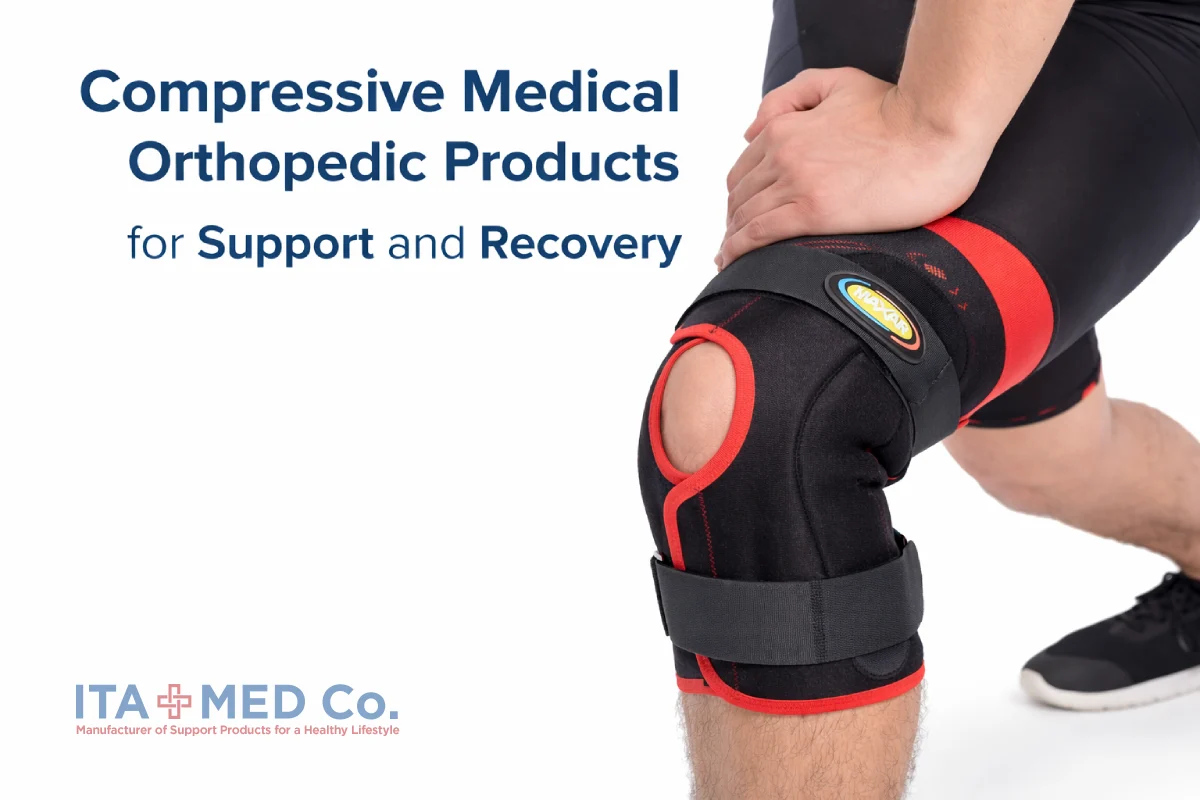
Compressive medical orthopedic products play an important role in supporting the body during injury recovery, rehabilitation, and post-surgical care. These products apply targeted and graduated pressure to specific parts of the body, such as joints, muscles, and limbs. This controlled compression helps improve blood circulation, reduce swelling, stabilize injured areas, and support the body’s natural healing process.
Patients recovering from fractures and chronic musculoskeletal conditions widely use orthopedic compression products. They also help people who need additional support during daily movement or physical activity. By combining stability, compression, and structural support, these products help reduce pain and enable a safer, faster recovery.
Common Compression Orthopedic Products
Below are some of the most commonly used compressive orthopedic products and how they support recovery.
1. Braces and Immobilizers
Braces and immobilizers are essential orthopedic devices used to manage many musculoskeletal conditions. They provide external structural support to joints and muscles, helping limit harmful or excessive movement that could worsen an injury.
Common types of braces include hinged knee braces, knee immobilizers, functional braces, and unloader braces. Immobilizers are designed to completely restrict movement in the injured area. They are often used after surgery or in cases of severe fractures where the body needs complete rest to heal properly. By preventing motion, immobilizers protect injured tissues, bones, and ligaments from further damage.
Braces, on the other hand, usually allow controlled movement. This controlled mobility is important during rehabilitation because it helps prevent stiffness and supports the gradual rebuilding of strength. Another key benefit of braces is that they improve proprioception, which is the body’s awareness of joint position and movement. Better proprioception improves coordination and reduces the risk of awkward movements that can lead to reinjury.
2. Spinal and Abdominal Support
Spinal and abdominal supports are commonly used medical devices designed to stabilize the body during recovery from injury or surgery. Examples include abdominal binders, rib support, hernia belts, lumbar braces, and belts. These supports apply gentle compression and stabilization to protect surgical areas and injured tissues. They help reduce pain and allow patients to move more comfortably during the healing process. Abdominal binders are especially helpful after abdominal surgeries such as C-sections, hernia repair, or laparotomy procedures. The continuous compression supports the surgical incision, reducing pain when coughing, laughing, or moving. This support also helps manage swelling and protects the abdominal wall.
Spinal supports also serve as posture reminders, encouraging individuals to maintain a healthy posture while sitting, standing, or lifting. Poor posture can put unnecessary strain on the spine, so maintaining proper alignment is important during recovery. In more serious cases, rigid spinal braces may be used to limit movement after spinal surgery or fractures. For example, after procedures such as lumbar fusion, limiting excessive motion is critical to ensure proper healing.
3. Fracture Aids
Fracture aids are specialized orthopedic products designed to support the healing of broken bones. These aids include splints, arm slings, casts, and orthopedic braces. The primary purpose of fracture aids is to immobilize the fracture. By keeping the injured bone in the correct position, these devices allow the bone to heal properly while preventing movements that could delay recovery. Immobilization also helps protect surrounding tissues such as muscles, nerves, and blood vessels from further injury. When bones move against each other during a fracture, it can cause severe pain and damage nearby tissues. Fracture aids reduce this risk by stabilizing the affected area.
Splints are often used during the early stages of treatment because they can be adjusted easily to accommodate swelling. Once swelling reduces, more permanent solutions such as casts or braces may be applied. In addition to immobilization, some fracture aids provide light compression, which helps reduce inflammation and swelling around the injured area. These devices protect fragile healing bones from accidental stress and ensure proper healing. Proper stabilization is important because improper healing can lead to deformities or long-term mobility issues.
4. Compression Therapy
Compression therapy is another important part of orthopedic recovery. Products such as kneecaps with hinges, calf sleeves, and compression stockings are widely used to improve circulation and reduce swelling. Medical compression stockings, including TED (Thrombo-Embolic Deterrent) stockings, are often used after surgery or during extended bed rest. These stockings apply graduated pressure to the legs, helping blood flow back toward the heart more efficiently.
Better circulation helps reduce swelling and lowers the risk of complications such as blood clots or deep vein thrombosis (DVT). Calf sleeves and knee compression supports are commonly used by patients recovering from knee injuries, ligament strain, or muscle fatigue. They help stabilize the muscles and joints while providing gentle compression that improves circulation and reduces inflammation.
How Compressive Orthopedic Products Support Recovery
Orthopedic compression products offer multiple benefits that support healing and rehabilitation for patients of all age groups.
1. Stabilizing Injured Areas
Stability is critical for the healing of bones, muscles, and joints. Orthopedic supports such as splints, braces, and compression garments help keep the injured area stable. By preventing unnecessary movement, they allow tissues to heal without additional stress.
2. Pain Reduction Without Medication
Compression and structural support help reduce pressure on injured tissues. This helps decrease inflammation and discomfort naturally. Because of this, orthopedic support products often serve as a non-drug method of pain management, reducing the need for heavy pain medications or invasive treatments.
3. Encouraging Proper Posture and Movement
Many orthopedic supports are designed to improve posture and guide natural body movement. By providing external support, they help align the spine and reduce strain on muscles and joints. These supports serve as reminders for the body to maintain healthy posture and movement patterns. This reduces the risk of additional injuries during recovery.
4. Support During Physical Activity
As patients recover, gradual physical activity becomes an important part of rehabilitation. Orthopedic braces and compression supports allow patients to move safely while protecting the injured area. They provide stability and confidence, helping individuals regain strength and mobility without placing excessive stress on healing tissues.
ITA-MED – Find Trusted Compressive Orthopedic Products
Choosing high-quality orthopedic support products is essential for effective recovery and long-term comfort. At ITA-MED, we manufacture quality orthopedic products that aim to provide comfort, support recovery, and enhance wellness. Whether you are a retailer, distributor, or professional healthcare provider, explore our range of comprehensive orthopedic solutions you can trust.
Our products are designed to support recovery, improve mobility, and provide effective stabilization for a range of orthopedic conditions. With a focus on comfort, innovation, and medical reliability, we aim to help patients and healthcare providers find trusted solutions that support healing and improve quality of life.

